
How to Use a Fire Hose Pipe: A Step-by-Step Guide
How to Use a Fire Hose Pipe: A Step-by-Step Guide
A fire emergency may arrive at any moment; knowing how to deal with it can hugely reduce the damage and the loss associated with it. The most effective means of suppressing fire is through a fire hose pipe. Thus, understanding how to use a RRL fire hose pipe in the right way can prevent flames from spreading. This guide explains How to Use a Fire Hose Pipe proficiently effectively, and also safely.
Understanding a Fire Hose Pipe
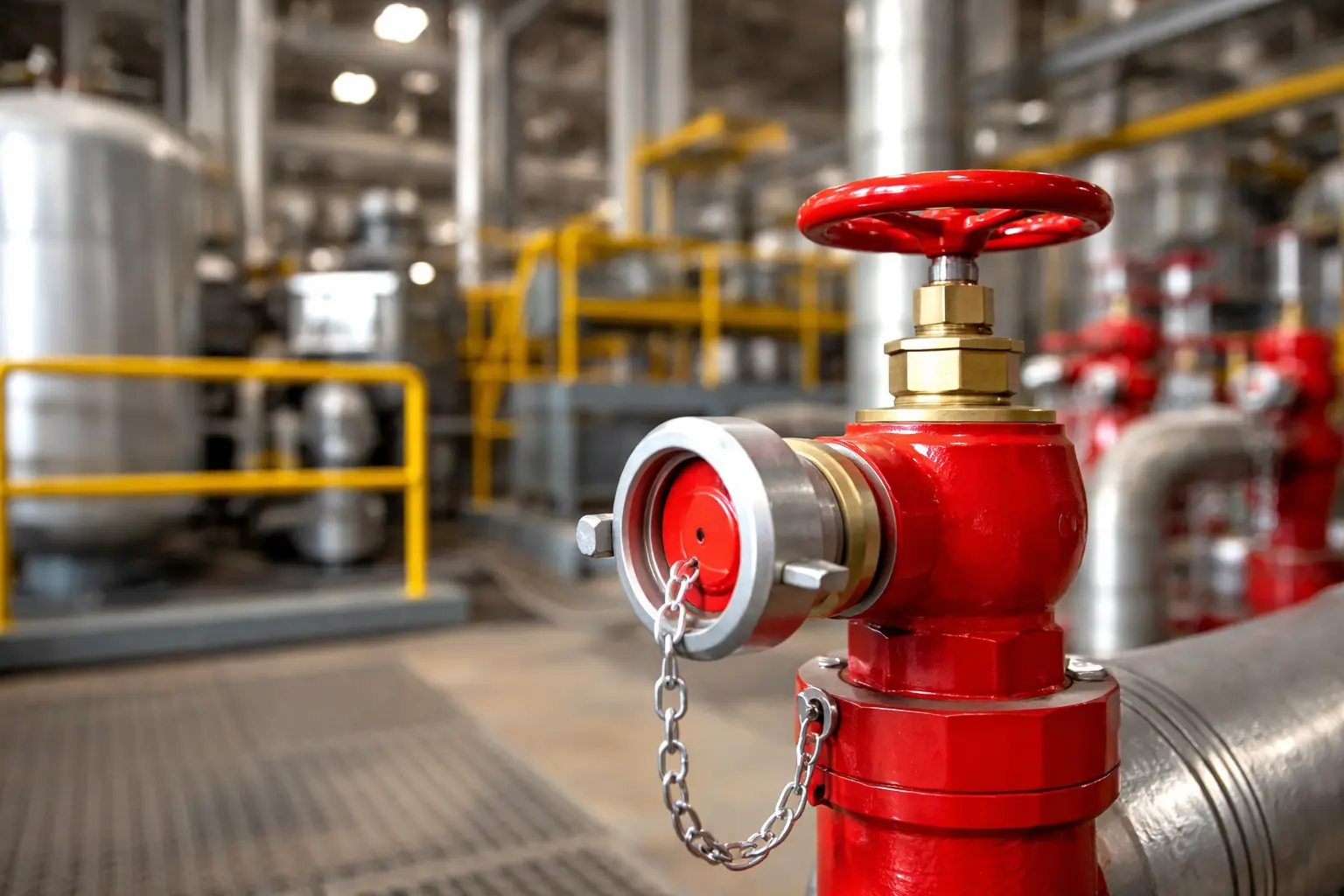
Knowing the parts along with the functions of the fire hose pipe is essential before its usage. The high-pressure hose used to extinguish fires functions as a device that conducts water or fire retardant substances through its pipe. Fire hose pipes exist at both municipal locations and factories while also being featured inside fire trucks. Fire hose pipe consists basically of the following components:
• Hose Reel:It is a circular structure that holds the hose coiled manner.
• Nozzle:It steers the flow of water and enables different patterns for sprays.
• Water Source Connection:This is the connecting part of the hose with the water supply.
• Valve and Pressure System:Controls the pressure of water going in through the hose.
Step-by-Step Guide on How to Use a Fire Hose Pipe
1. Assess the Fire Situation:
Before utilizing the fire hose pipe run an assessment across the fire area to establish the fire severity. A large fire requires both evacuation of people from the premises combined with a call to the fire department.
2. Locate the Fire Hose Pipe:Submit a fire hose pipe search to locate the accessible units holding pipes in strategic areas of commercial and residential areas. The hose must be connected to water supply lines with no operational issues present.
3. Open the Fire Hose Cabinet and Uncoil the Hose:Open the fire hose cabinet and pull the hose reel outwards. Unroll the hose fully so that it does not kink or block the passage of water.
4. Connect to the Water Supply:Attach the hose pipe to a fire hydrant or an internal water system. Also, please look that the valve is fastened properly so no water leaking could occur.
5. Start Water Supply:Now open the valve very slowly to allow water to flow to the hose. Hold the hose firmly, as high-pressure water can cause sudden forceful movements.
6. Adjust the Nozzle for Proper Water Flow• The nozzle of most fire hoses has several settings, such as jet spray (for a focused stream) and fog spray (for more spread coverage).
• Select the appropriate setting for your application depending on tand he fire type: jet spray for high-intensity fires, fog spray for electrical or oil-based fires.
7. Aim at the target:Now, Instead of throwing water at the top focus on its base. Hold on firmly and move the hose from side to side to cover a wider area.
8. Control the Water Flow and Monitor Fire Suppression• Change the nozzle as needed to keep it secure.
• Continue spraying until the fire is out.
• Be cautious of re-ignition; keep spraying to ensure all embers are out.
9. Close the Water and Store the Hose• Once the fire is contained, stop supplying the hose with water.
• Coil back excess water into the hose reel.
• Secure the hose for future use.
Safety Precautions When Using a Fire Hose Pipe
When utilizing the fire hose pipe, attention should be paid to safety concerns, which can lead to injuries or ineffective fire suppression. Here are essential precautions:
• Inspect Hose for Damage:Before deploying the hose, look for any evidence of leaking, fractures, or destroys.
• Avoid Electric Fire with Water:In no case is one to use water on electrical fire; fire extinguishers meant for electrical equipment are to be used.
• Wear Protective Equipment:Should there be this available, put on gloves, helmets, and fire-retardant clothing.
• Control Water Pressure:Too sudden pressure would make the hose whip out of control.
• Training:Make sure you get adequate training on fire hose operation in drills and training sessions.
Importance of Knowing How to Use a Fire Hose Pipe
The knowledge of fire hose pipe use is not only helpful for firefighters but also for persons in occupations as well as in schools and residential complexes. Some overriding benefits include:
• Quick Response to Fire Cases:Actions taken within seconds may stop a fire from going out of control.
• Added Safety Measures:The proper use of a fire hose minimizes risks and saves lives.
• Protection of Property:Fire given earliest attention will mean less structural damage and loss of properties.
• Enforcing Fire Safety Regulations: Most buildings require trained personnel for fire safety management.Conclusion
Learning How to Use a Fire Hose Pipe can prove lifesaving in emergencies. Having learned how to control the events in the previous two sentences while having confidence that exactly nothing bad will happen.
Use this knowledge to understand how to fight fires the right way, to avoid disastrous property destruction through the step-by-step process, while at the same time practicing the fire safety measures that you should adopt at home! Make sure the fire hose pipes are in good condition and train people on how to use them properly.
Latest Posts