
How to Maintain Firefighting Equipment for Maximum Efficiency
How to Maintain Firefighting Equipment for Maximum Efficiency
The effective use of this fire-fighting system largely requires regular maintenance and care. Maintenance of fire fighting system equipment reduces the likelihood of a failure and improves its performance.
This blog specifically deals with How to Maintain Firefighting Equipment; it is educative as it provides detail on correct procedures when to do it, and why in that manner.
Importance of Regular Maintenance
Regular maintenance of fire fighting system equipmen is necessary to keep it in good working order for emergencies. Good maintenance prevents a malfunction, makes sure the equipment performs well, and prolongs its use.
Often check hoses, hydrants, and extinguishers to allow firefighters to respond efficiently and promptly, ultimately saving lives and property. Neglecting maintenance can lead to:
- Faulty instruments at appropriate timed moments.
- More susceptibility to property damage and loss of lives.
- Increased costs of repair or replacement of the Company’s assets.
Types of Firefighting Equipment
- Fire Extinguishers
Small campaign fire equipment that is conveyance and easy to operate in small fires teed routine checks to confirm that the tools are adequately charged and ready for use.
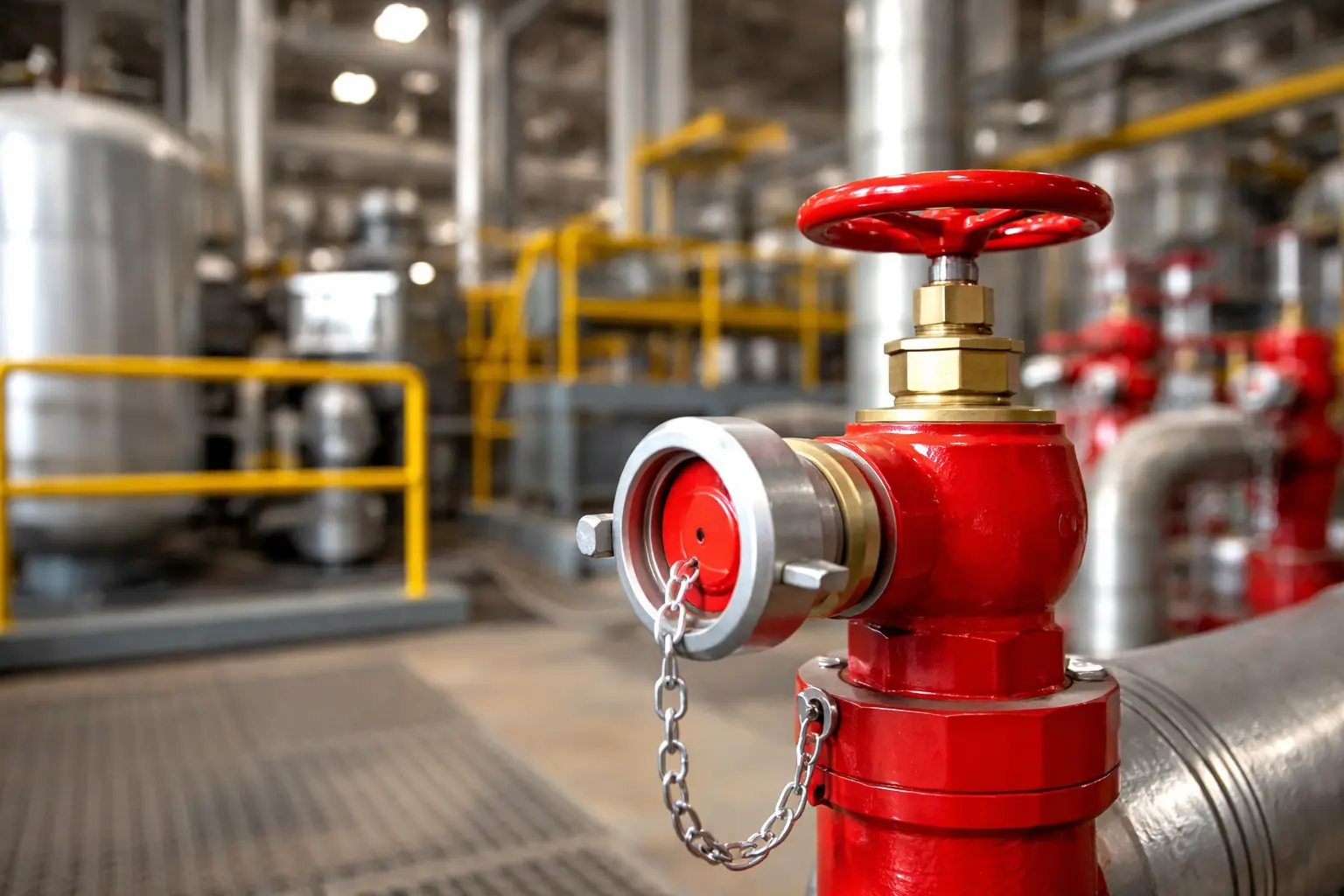
- Fire Hoses and Hydrants
These tools transport water to fires and should be leak-free, without obstruction, and should not be rusty.
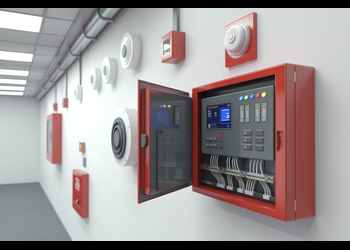
- Fire Alarms and Detectors
Crucial in the early detection of fires, such systems need their batteries to be checked frequently together with the sensitivity.
- Sprinkler Systems
Open systems that are presumed to function during the fires require to be set up and examined timelessly.
- Personal Protective Equipment (PPE)
Fire susuitshhelmet and sand gloves are protective clothing for firefighters; these clothing should be inspected to see whether they have worn out.
Step-by-Step Maintenance Checklist
- All fire fighting system equipment should be physically checked for any signs of damage, rust, or any signs of wear and tear that may hinder its usage.
- Check that these systems switch on and properly function at their maximum efficiency.
- Any fire extinguisher should be refilled or recharged immediately after use or when it appears to be low on pressure.
- Check on hoses and hydrants and see if they are fouled or leaking as this will affect their use. There should be no interference by obstructions or leakage that will affect hoses and hydrants.
Read More: What Is a Fire Hydrant Valve? Understanding Its Purpose
Latest Posts